

Artificial Intelligence (AI) is a technology that helps computers learn from data and perform tasks. AI data analysis means using AI tools to study data, find patterns, and understand useful information. It can help people work with large amounts of data more quickly.
Data analysis can often take a lot of time. AI can make this work easier and faster. It can find trends, spot unusual results, and help users understand complex data. This allows people to focus more on making better decisions.
AI can also help create reports, organize information, and predict possible results. It reduces manual work and can improve accuracy. With the right AI tools, businesses and individuals can turn raw data into useful insights.
1: How do Data Analysts actually use AI tools with Sensitive Data? (Learning/preparing for the field)
Data analysts often work with sensitive data, such as customer details, financial records, or business information. When using AI tools, they must protect this data carefully. They may remove names, emails, and other personal details before using AI. They also check company rules and use approved tools to keep data safe.
AI can help analysts clean data, find patterns, and create simple summaries. However, analysts should not upload private information to random AI tools. They need to understand data privacy and security rules. Learning how to use AI safely is an important skill for anyone preparing for a career in data analysis.
Best AI Detection Tools I’ve Actually Used

AI detection tools can help check whether a piece of text may have been written by AI. I have found them useful for getting a quick idea about the writing style. Some tools also highlight parts of the text that may look AI-generated. However, their results are not always perfect.
Different AI detectors can give different results for the same text. So, I do not rely on one tool alone. I use these tools as a guide and also review the writing myself. This gives a more balanced and reliable result.
Which part of your data analysis work is now mostly handled by AI?
AI now handles many basic parts of data analysis. It can clean data, find patterns, sort information, and create quick summaries. These tasks can take a lot of time when done manually. AI helps analysts finish them faster and focus on more important work.
AI can also help create charts and spot unusual data. It can suggest trends and give simple insights from large datasets. However, analysts still need to check the results. Human judgment is important because AI can sometimes make mistakes or misunderstand the data.
Do AI tools actually work against HackerRank’s online tests?

AI tools can help with some parts of HackerRank tests. They may explain coding problems, suggest solutions, or help find errors in code. However, this does not mean they will always work during an online test. Many tests have rules that limit the use of outside tools.
Relying too much on AI can also cause problems. AI may give an incorrect answer or misunderstand the question. It is better to learn the basic concepts and practice coding before taking a test. AI can be useful for learning and preparation, but your own skills are still important.
Here is a simple, human-written version with bullet points:
AI Cannot Do the Job of a Data Analyst
AI Cannot Do the Job of a Data Analyst
AI can make data analysis faster, but it cannot fully replace a data analyst. AI can process large amounts of data and find patterns quickly. However, it may not understand the business goals or the real meaning behind the data. A human analyst is still needed to check the results and make the right decisions.
Data analysts also use their experience and critical thinking when working with data. They ask the right questions and explain results to other people. AI can support their work, but it still needs human guidance.
- AI can process data quickly.
- Analysts check AI-generated results.
- Humans understand business needs.
- Analysts make important decisions.
- AI can make mistakes.
- Human judgment is still important.
What tool do you actually use the most as a data analyst?
## What tool do you actually use the most as a data analyst?
Excel is one of the most useful tools for data analysts. It is simple to use and works well for many types of data. Analysts can use it to clean data, create tables, make charts, and find basic patterns. It is also useful for quick calculations and reports.
For larger projects, analysts may use tools like SQL, Python, or Power BI. These tools can handle more complex tasks and large datasets. However, the best tool depends on the type of work. Knowing how to use more than one tool can make a data analyst more flexible and productive.
How are Data Analysts actually integrating AI into their workflow? And how do you handle data privacy?
How are Data Analysts actually integrating AI into their workflow? And how do you handle data privacy?
Data analysts use AI to make daily tasks faster and easier. AI can help clean data, find patterns, create summaries, and build simple reports. It can also help write SQL queries or suggest ways to solve a data problem. This gives analysts more time to focus on important tasks and business decisions.
Data privacy is also very important when using AI. Analysts should avoid sharing personal or confidential information with unapproved tools. They can remove names and other private details before using AI. They should also follow company rules and check AI results carefully. This helps keep data safe while still getting the benefits of AI.
What’s your most underrated tool as a data analyst?
What’s your most underrated tool as a data analyst?
One underrated tool for a data analyst is Google Sheets. It is simple, fast, and easy to share with others. Analysts can use it to organize data, make quick calculations, and create basic charts. It is especially useful for small projects and teamwork.
Another useful tool is Notepad or a simple text editor. It can help analysts take notes, check raw data, and write quick ideas. These simple tools may not look powerful, but they can save time in daily work. Sometimes, a simple tool is all you need to complete a task.
Data Analysts vs AI — what actually makes a Data Analyst valuable in 2026?
Data Analysts vs AI — what actually makes a Data Analyst valuable in 2026?
AI can now handle many basic data tasks. It can clean data, find patterns, create charts, and generate quick reports. But a good data analyst does more than work with numbers. Analysts understand the business problem and know which questions to ask.
In 2026, human skills are still very important. A valuable data analyst can check AI results, explain findings clearly, and make smart decisions. They also understand data privacy and business needs. AI is a useful tool, but the analyst’s thinking and judgment make the real difference.
Is pursuing a Data Analyst career even worth it?
Is pursuing a Data Analyst career even worth it?

Yes, a Data Analyst career can still be worth it. Many businesses need people who can understand data and turn it into useful information. AI can handle simple tasks, but companies still need analysts to check results and understand business problems. The key is to learn modern tools and stay open to new technology.
A good data analyst should learn skills like SQL, Excel, Python, and data visualization. It is also helpful to understand how AI works and how to use it in daily tasks. The field is changing, but this can create new opportunities for people who keep learning and improving their skills.
Do you guys actually trust AI tools with your data?
Do you guys actually trust AI tools with your data?
I would not trust every AI tool with sensitive data. AI tools can be useful for cleaning data, finding patterns, and creating summaries. But private information should be handled carefully. It is better to use trusted tools and follow company data privacy rules.
Before using an AI tool, check how it handles your data. Avoid sharing passwords, personal details, or confidential business information. When possible, remove private information first. AI can be helpful, but data safety should always come first.
Is it fine to PURELY rely on AI for Data Analysis?
[Question] Is it fine to PURELY rely on AI for Data Analysis?
No, it is not a good idea to rely only on AI for data analysis. AI can process data quickly and find patterns, but it can also make mistakes. It may misunderstand the data or give an answer that looks correct but is not. A data analyst should always check the results.
AI works best as a support tool. Analysts can use it to save time and handle repetitive tasks. However, human thinking is still needed to understand the business problem and make final decisions. The best approach is to combine AI with human skills and careful review.
I stress-tested “AI Data Analysis” tools. The shiny object syndrome is hiding a massive architectural problem.
## I stress-tested “AI Data Analysis” tools. The shiny object syndrome is hiding a massive architectural problem.
AI data analysis tools can look very powerful at first. They can create charts, find patterns, and answer questions quickly. But the real problem is often the data itself. Poor data quality, missing values, and badly organized systems can lead to wrong results. A smart AI tool cannot fix every problem in the data.
This is why businesses should focus on their data systems before chasing every new AI tool. Analysts still need to check data quality and understand where the data comes from. They also need to make sure different systems work together. AI can make analysis faster, but a strong data foundation is still the most important part.
How soon and how is AI going to impact Data analyst jobs?
✓
How soon and how is AI going to impact Data analyst jobs?

AI is already changing the work of data analysts. It can handle simple tasks like cleaning data, making charts, and writing basic queries. These tasks may take less time because of AI. However, this does not mean all data analyst jobs will disappear soon. Analysts are still needed to understand business needs and check AI results.
In the future, analysts may spend less time on repetitive work and more time on important decisions. Skills like critical thinking, communication, and problem-solving will become even more valuable. Learning AI tools can also help analysts stay competitive. The job is changing, but there are still many ways for skilled analysts to add value.
Best writing software that protects from AI scraping?
Best writing software that protects from AI scraping?
There is no writing software that can completely stop AI scraping. The best option depends on where you publish your work. For private writing, tools that offer strong privacy settings and access controls can provide better protection. Keeping drafts offline or in a private document can also reduce exposure.
If you publish your writing online, the website settings matter more than the writing software itself. You can control who can access your content and use tools that limit unwanted access. It is also helpful to read the platform’s privacy and data-use policies before publishing important work.
What do you think the job outlook for data analysts will be like in the next 4–5 years?
What do you think the job outlook for data analysts will be like in the next 4–5 years?
The job outlook for data analysts should remain positive over the next 4–5 years. Many companies are using more data to make decisions. AI will automate some simple tasks, such as cleaning data and creating basic reports. But companies will still need analysts who can understand the data and explain what it means.
The role of a data analyst may change as AI becomes more common. Analysts will need to learn AI tools and improve their problem-solving skills. Communication and critical thinking will also be important. People who keep learning and adapt to new technology should have good opportunities in this field.
How are you actually using AI in your daily analytics work?
I use AI to make simple analytics tasks faster. It can help clean data, find patterns, write basic SQL queries, and create quick summaries. I also use it to explain complex ideas in simple words. This saves time and helps me focus on the main problem.
I do not depend on AI for every task. I always check the results before using them. AI can make mistakes or misunderstand the data. I use it as a helpful assistant, while I make the final decisions based on the data and business needs.
Using AI for Data Analysis: A Complete Guide to AI-Powered Analysis
## Using AI for Data Analysis: A Complete Guide to AI-Powered Analysis
AI can make data analysis faster and easier. It can help collect, clean, and organize large amounts of data. AI tools can also find patterns, create charts, and provide quick summaries. This helps analysts save time and focus on important business questions.
AI is useful, but it should not replace human judgment. Analysts need to check the results and make sure the data is correct. They should also protect private information when using AI tools. The best approach is to use AI as a support tool while keeping human thinking and decision-making at the center.
Benefits of AI for Data Analysis
Benefits of AI for Data Analysis

AI can make data analysis faster and easier. It can quickly process large amounts of data and find useful patterns. AI can also help clean data, create charts, and prepare simple reports. This saves time and reduces the amount of repetitive work for analysts.
AI can also help analysts make better decisions. It can find trends that may be difficult to notice manually. Analysts can use these insights to understand problems and plan better actions. However, human review is still important to make sure the results are accurate.
Pattern and Anomaly Detection
AI can help analysts find patterns in large amounts of data. It can look at many records and find trends that may be hard to see manually. For example, it can show changes in customer behavior, sales, or website traffic. This helps analysts understand what is happening in the data.
AI can also detect unusual results, called anomalies. These may show errors, fraud, or unexpected changes. Finding these issues early can help businesses take action quickly. However, analysts should still review the results because not every unusual value is a real problem.
Predictive Analytics
Predictive Analytics
Predictive analytics uses data to estimate what may happen in the future. AI can study past data and find patterns that help make predictions. Businesses can use it to forecast sales, understand customer behavior, and plan future activities. This can help them make better decisions.
AI can process large amounts of data quickly. It can also update predictions when new data becomes available. However, predictions are not always correct. Data analysts should check the results and consider other factors before making important decisions.
How a Semantic Layer Helps in Data Analysis
How a Semantic Layer Helps in Data Analysis
A semantic layer makes data easier to understand. It connects complex data from different sources and gives it common names and meanings. For example, it can make sure that everyone uses the same definition for terms like “revenue” or “customer.” This helps teams work with data more clearly.
A semantic layer can also make data analysis faster. Analysts do not need to understand every technical detail of the database. They can use simple business terms to find and analyze information. It also helps reduce confusion and keeps reports more consistent across a company.
AtScale Transforms Data Analysis

AtScale helps businesses make data easier to use and understand. It provides a semantic layer that connects data from different sources. This gives teams a common way to define and use important business terms. Analysts can then work with data without dealing with every technical detail.
AtScale can also support faster and more consistent data analysis. Teams can use the same definitions across reports and dashboards. This reduces confusion and helps people trust the information they use. With a clear data structure, analysts can spend more time finding useful insights and less time fixing data problems.
Artificial Intelligence for Data Analytics
Artificial Intelligence for Data Analytics
Artificial intelligence can make data analytics faster and easier. AI tools can process large amounts of data in a short time. They can find patterns, detect unusual results, and create simple summaries. This helps analysts save time and focus on important tasks.
AI can also help businesses make better decisions. It can find trends and make predictions based on past data. However, AI is not always correct. Data analysts still need to check the results and use their own judgment before making important decisions.
Defence Artificial Intelligence Research (DARe)
Defence Artificial Intelligence Research (DARe) focuses on using AI for defence and security needs. It explores how AI can help people understand large amounts of information and support better decisions. Research in this area can include data analysis, computer vision, and other AI technologies.
DARe can also help researchers study new ways to use AI safely and responsibly. Human experts are still important when working with sensitive defence data. They need to check AI results and consider privacy, security, and ethical issues. The main goal is to develop useful AI while keeping human oversight.
Drawing on New Advances in Machine Learning to Address Data Wrangling Issues, and Help to Automate Data Analytics in AI and Process
Machine learning can make data wrangling easier and faster. It can help find missing values, remove duplicate data, and organize large datasets. This reduces the amount of manual work needed from data analysts. It also helps prepare data for further analysis.
Machine learning can also automate parts of the data analytics process. It can find patterns, create useful insights, and support simple predictions. Analysts can spend more time understanding the results instead of doing repetitive tasks. However, human review is still important to make sure the data and results are correct
Data Diff: Interpretable, Executable Summaries of Changes in Distributions for Data Wrangling
Data Diff: Interpretable, Executable Summaries of Changes in Distributions for Data Wrangling
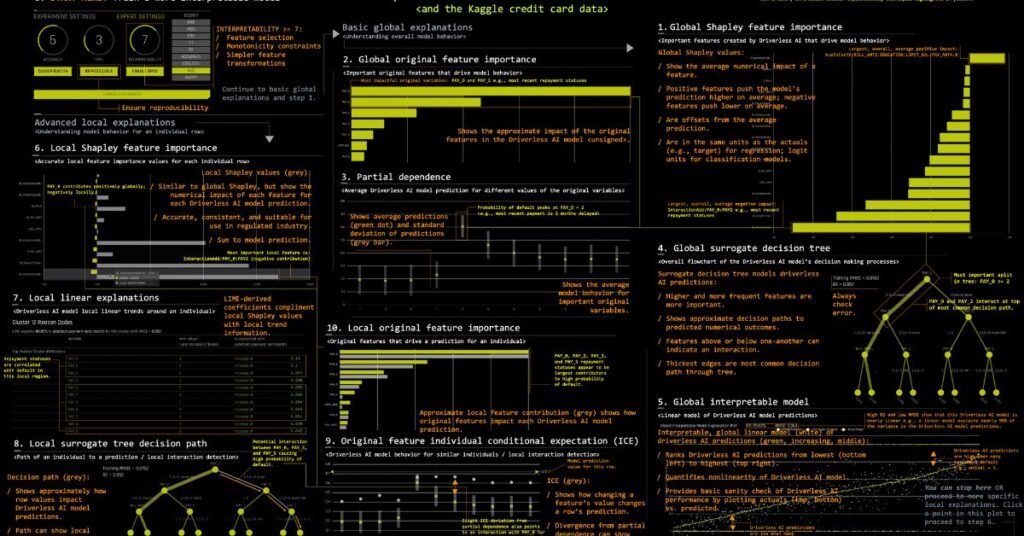
Data Diff helps analysts understand how data changes between two datasets. It compares the distributions of the data and shows important differences. This can help find changes, errors, or unusual values. It makes the data wrangling process easier to understand.
The results can also be used to create simple and useful data updates. Analysts can see what changed without checking every record manually. This saves time and makes large datasets easier to manage. However, analysts should still review the changes before using the updated data.
FAQs
What is Data Diff?
Data Diff compares two datasets and shows how their data has changed. It helps analysts find important differences quickly.
How does AI help with data wrangling?
AI can find missing values, remove duplicates, and organize data. This reduces manual work and saves time.
Can AI automate data analysis?
Yes, AI can automate tasks like finding patterns, creating summaries, and making predictions. Analysts should still check the results.
Why is anomaly detection useful?
It helps find unusual values or unexpected changes in data. This can help identify errors or possible problems early.
Is human review still needed?
Yes. Analysts should review AI results and data changes to make sure they are correct and useful.
Conclusion
Conclusion
AI is making data analysis faster and easier. It can help with data cleaning, pattern detection, predictive analytics, and data wrangling. Tools like AI and machine learning can save time and reduce repetitive work.
However, AI cannot replace human judgment. Data analysts still need to check results, protect data, and understand the business problem. The best approach is to use AI as a helpful tool while keeping human skills and decision-making at the center.
.

Wellcome to growthwavexpro im Dr.sahil an Ai-powered SEO.and content writer with 3 years of experience.
i help websites rank higer.grow traffic .and look amazing.my goal is to make SEO and web design simple and effective for everyone.lets achieve more together